
Written by Ewa Mikrut, Transpersonal Arts Counsellor and Registered Member MBACP, working with young people and adults online and in person in Guernsey.
Perhaps you have recently received a diagnosis. Perhaps you have been living with illness for some time, and the changes are only now beginning to sink in.
You may be missing your familiar routine, your independence or the feeling of knowing what comes next. Things you once did without thinking may now take planning. Your diary may have more appointments and fewer things to look forward to.
People might ask about your symptoms, your treatment or what the doctor said. There may be fewer opportunities to talk about what all of this feels like for you.
This part of your experience deserves space too.
If you are looking for counselling in Guernsey while adjusting to illness, I offer space to talk, with home visits and online sessions available.
When life starts to feel unfamiliar
You do not need to describe your life as completely changed to find some parts of it difficult.
Perhaps you are still working, seeing people and managing your responsibilities. From the outside, much may look the same. Privately, you may be wondering how long you can keep going at this pace or how to explain that you need something to change.
Or perhaps the changes are more visible. You may have stopped working, cancelled plans or begun relying on someone else for practical help.
There may be uncertainty about what is temporary and what your life will look like in the longer term. You do not have to resolve those questions before talking about how they affect you now.
There is no single way you are supposed to feel
You might feel frightened, frustrated, sad or angry. You might feel relieved to finally have a name for something you have been experiencing. You may not know what you feel.
There may also be ordinary, enjoyable moments when illness is not the main thing on your mind.
These experiences can exist alongside each other. Feeling grateful for support does not mean you cannot feel frustrated about needing it. Enjoying an afternoon does not mean everything is suddenly easy.
You do not have to make your feelings sound positive or comfortable for someone else to hear. You can begin with something as simple as:
“I am finding this harder than I expected.”
“I do not know how I feel yet.”
“I am tired of trying to seem fine.”
Missing the life you had before
Sometimes the hardest changes are the ones that are difficult to explain.
You may miss going out without having to think ahead. You may miss being the person who helped everyone else. You may miss your work, familiar activities or the confidence you once had in your body.
Perhaps there were plans you expected to follow: a trip, a career change, more time with family or a different kind of retirement. Now those plans may feel uncertain.
You might find yourself comparing today with how things used to be. You may hear encouragement to focus on what you can still do, when what you need first is someone to understand what you miss.
There is room to acknowledge those losses without immediately turning them into a lesson.
What do you miss most about the way life used to be? What do you wish someone understood about your life now?
These are questions you can explore slowly. There is no requirement to find a positive answer.
When other people do not know what to say
You may have people around you who care deeply and still find certain conversations difficult.
Someone might offer advice when you want to be heard. Someone else may reassure you before you have had the chance to explain what worries you. You may find yourself comforting other people about your illness when you have little energy left.
It can be difficult to ask for something different, especially when you know someone means well.
If it feels right, you could say:
“I would like to talk without looking for a solution just yet.”
“I appreciate you checking in. Today, I would rather talk about something else.”
“I am not ready to share more about that.”
“I would still like to be invited, even when I cannot always come.”
You can choose how much you share and with whom. You do not owe everyone the same explanation.
You may also want somewhere to speak openly without worrying about upsetting someone close to you.
When getting out becomes difficult
Wanting company or support does not always mean getting out feels manageable.
There may be discomfort, tiredness, practical arrangements or uncertainty about how you will feel on the day. You might worry about needing to leave early or cancelling at the last minute.
Sometimes staying home is a decision you make for yourself. At other times, it may feel as though your choices have become smaller.
You may miss people and still find an invitation overwhelming. You may want to talk and have little energy for explaining everything from the beginning.
When travelling to an appointment feels like another demand, the arrangement itself matters. Would it feel easier to speak online? Would a counselling session in your own home feel more manageable?
You are welcome to discuss these questions with me before deciding whether to begin.
A space where you do not have to hold everything together
The counselling I offer focuses on your emotional experience of illness and the changes around it. It does not replace medical care or treat the illness itself.
You do not need to arrive with a clear goal or a neatly organised account of what has happened. You might want to speak about a recent diagnosis, changes in your relationships or the frustration of needing help. You might want to talk about something that seems unrelated to your health.
In our sessions, there is space to explore what has changed, what feels difficult and what matters to you now.
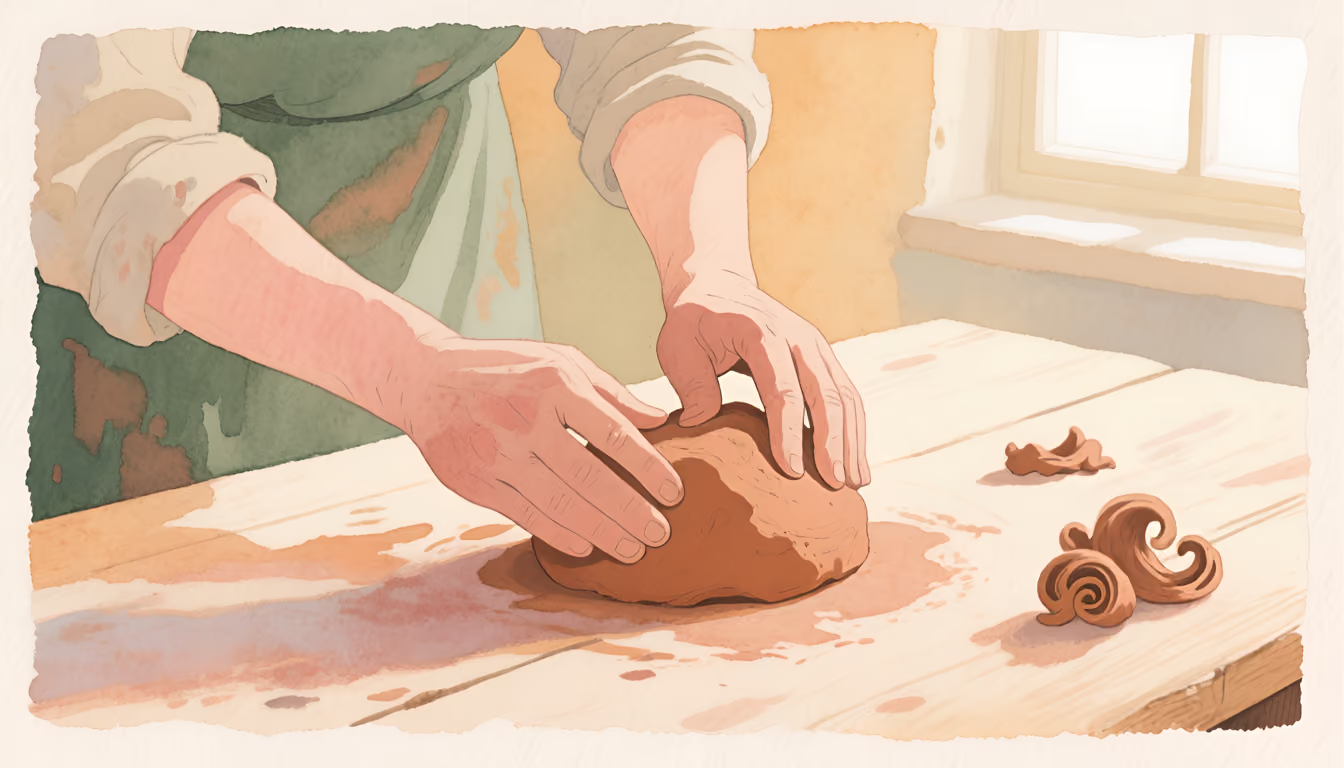
My approach includes the option of working creatively. If you would like, we can use simple materials, images or creative activities to explore something that is hard to put into words. You do not need artistic experience or anything particular to make.
You are equally welcome to simply talk. We can work at a pace that takes account of how you are feeling, without pressure to turn your experience into a positive story.
Counselling for adults in Guernsey
I offer counselling for adults in Guernsey, including home visits, alongside online sessions.
You may be adjusting to a diagnosis, living with ongoing illness or trying to understand how your life has changed. You may not have a clear way to describe what you need yet.
Our conversations can begin there.
If you would like to explore working together, you can arrange a free 20-minute introductory call. We can talk about what you are looking for, discuss home visits or online sessions, and consider whether my approach feels right for you.
Ewa Mikrut
Transpersonal Arts Counsellor, MBACP
Home visits in Guernsey and online sessions